What Is a Rolling Closure?
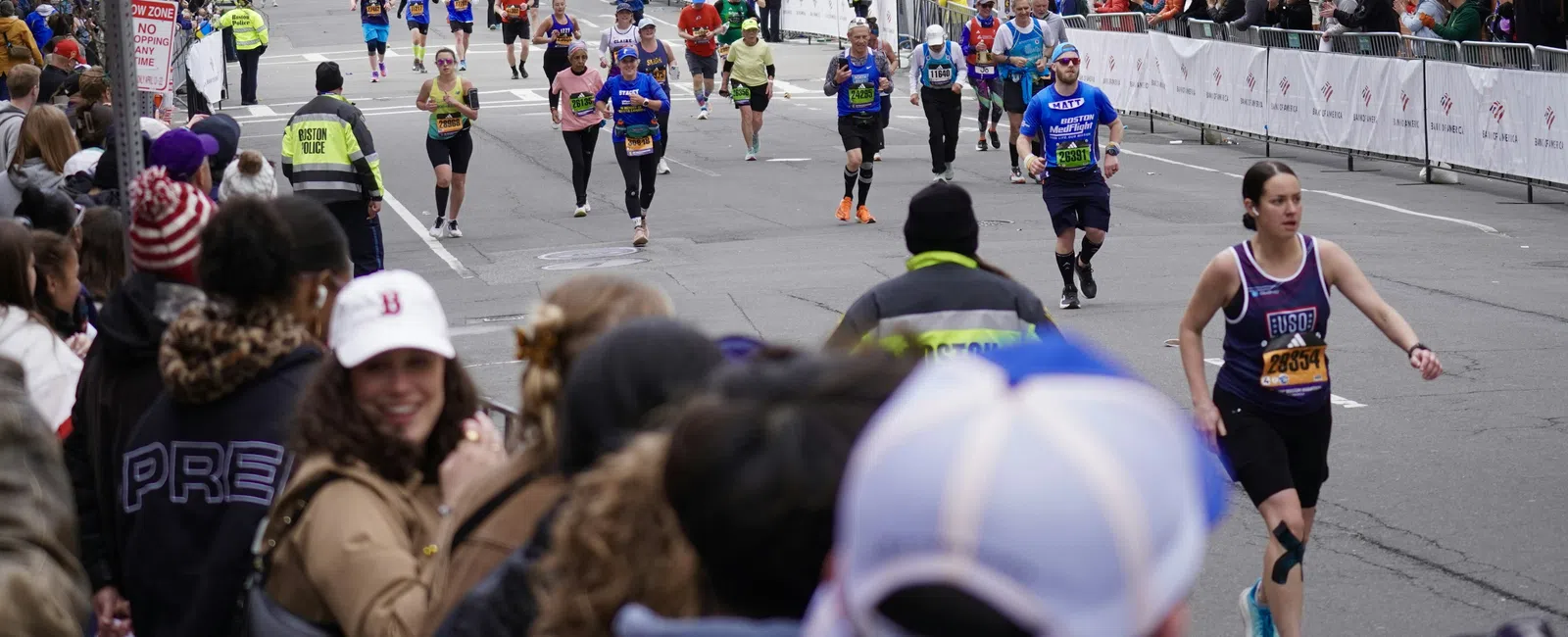
A rolling closure is when instead of closing an entire race route for the whole morning, crews close each section of road just before the runners reach it, then reopen that section once the last participant has passed. The closure "rolls" down the course alongside the field of runners.
This is different from a fixed closure, where a road stays blocked for a set block of time regardless of where anyone is. It's also different from a rolling roadblock used in highway construction, where a convoy of vehicles paces live traffic to create a temporary gap for road crews. On a race course, the "roadblock" moves at the speed of the runners, not at highway speed.
Why Races Use Rolling Closures Instead of Closing Everything
A marathon route can stretch across an entire metro area. Closing all of it for six or seven hours would strand thousands of residents, block businesses, and cut off neighborhoods for a lot longer than necessary.
Rolling closures keep the disruption tied to where the runners actually are. Here's what that buys you:
- Shorter closures for residents. A street near mile 18 might only be closed for 90 minutes instead of the entire event.
- Faster reopening. As soon as the sweep vehicle passes and crews clear the cones, cars can move again.
- Better emergency access. Because most of the route is open at any moment, fire and EMS have more ways to reach any point on the course.
- Fewer complaints. Neighbors and business owners deal with a brief interruption rather than losing an entire day.
The tradeoff is that rolling closures take precise coordination. Every crew has to know where the front and back of the field are at all times.
The Traffic Management Plan Behind Race Day
Behind every well-run race is a traffic management plan, a document that maps out exactly how the roads get handled from the first closure to the final reopening.
A solid traffic management plan for a race usually covers:
- The course broken into closure zones. Each segment gets its own closure and reopening window based on expected runner pace.
- Hard closures vs. soft closures. A hard closure fully blocks a road. A soft closure lets police or a lead vehicle roll through just ahead of the runners, holding traffic only as needed.
- Intersection control points. Every spot where a vehicle might cross the course gets a plan, staffing, and a communication method.
- Detour routes. Drivers need clear alternate paths, marked with signs, so they aren't left guessing.
- Emergency access corridors. Pre-identified ways for first responders to reach the course fast.
- Staffing assignments. Who stands where, and what each person is responsible for.
The plan also has to line up with local rules. Cities and counties typically require organizers to submit a traffic plan for approval before issuing a permit, and that plan needs to follow accepted standards for signs, cones, and barricades.
The People Behind a Safe Race Course
Certified flaggers handle the points where traffic and runners interact. These are trained professionals who know how to stop and release vehicles safely.
Course marshals are often volunteers. They point runners the right way, cheer people on, and flag problems, but they aren't there to direct vehicles.
Police officers usually cover the busiest intersections. Drivers tend to respond more reliably to an officer's hand signals than to anyone else, so law enforcement gets placed where compliance matters most. If your event needs sworn officers, our guide on hiring off-duty police for events explains how that works.
Letting Cars Cross the Course
Intersection crossings can get tricky on race day. Residents still need to get to work, and some of them live right in the middle of the route.
Most races only allow vehicles to cross the course at major intersections, and only when there's a genuine gap with no runners present. Making that call safely takes constant communication up and down the course. A crew member has to know a group of runners just cleared their intersection and another pack is still a few minutes back, then use that window to release waiting cars.
This is why radios, spotters, and a clear chain of command are set into any good plan. One person guessing wrong at a crossing can put both drivers and runners in danger.
Reopening the Road
Once the final runner clears a section, a sweep vehicle rolls through to confirm the course is empty. Crews pull the cones and signs, and traffic starts flowing again.
Reopening happens in stages, section by section, with the start closer to normal early and the finish line area opening last. It's important worth for residents to note: reopening times are always approximate. They depend on the pace of the very last participant and how fast the breakdown crew works. If someone's walking the final miles, the tail end of the course stays closed a little longer.
What Organizers Handle vs. What a Traffic Control Company Does
Organizers usually own the event itself: registration, the course concept, volunteers, sponsors, and community outreach. A professional traffic control team handles the roadway side, including drafting the traffic management plan, supplying compliant cones, signs, and barricades, staffing certified flaggers, and coordinating with the city on permits and closures.
Untrained staff, missing signage, and improvised closures create liability and real safety hazards. Professional traffic control services bring the structure, equipment, and trained people that keep a race safe and keep the surrounding community happy to welcome your race back.
Planning a Race in Georgia or the Southeast?
If you're organizing a road race, marathon, or any event that involves public streets across Georgia, Alabama, Tennessee, Florida, or South Carolina, AQC Traffic can build the plan and staff your course from the first closure to the final reopening. Reach out for a quote and let's map out your route.